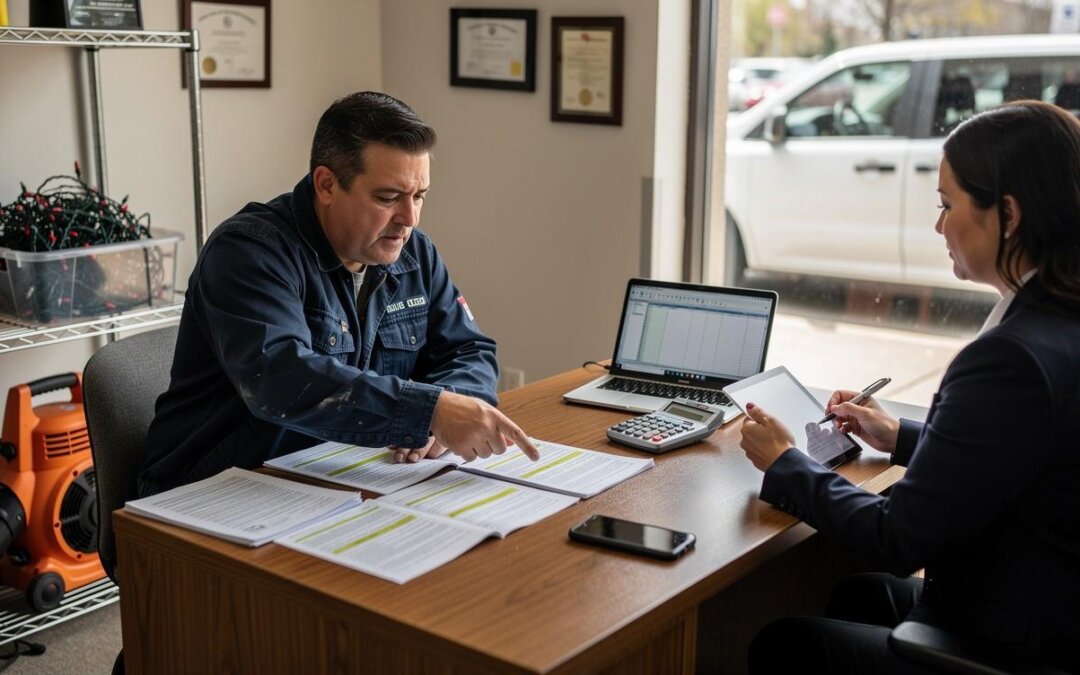
Running a seasonal business in Dallas means your insurance needs shift throughout the year. What protects you adequately in winter might leave you exposed during peak season.
At Brooks Cannon Insurance Group, we see Dallas business owners make costly mistakes by keeping the same seasonal business coverage year-round. Your policy should flex with your operations, not stay frozen while your business changes.
How Dallas Industries Experience Different Seasonal Peaks
Construction and Outdoor Services Lead Spring Surges
Construction companies see their busiest months from March through October when weather permits outdoor work and clients approve spring budgets. Roofing contractors, landscapers, and HVAC specialists all experience similar patterns-their peak seasons align with favorable weather and customer spending cycles. A roofing contractor in July faces completely different liability risks than a holiday decoration business in November. What matters is identifying exactly when your business generates the most revenue, hires temporary workers, and expands operations, because that’s when your coverage gaps hurt most.
Retail and Hospitality Peak at Different Times
Retail operations hit their stride during the November-December holiday shopping season and back-to-school periods in August. The hospitality and event planning sectors explode during spring and fall when Dallas hosts conventions, weddings, and corporate gatherings. These industries operate at full capacity during predictable windows, which means your insurance exposure shifts dramatically depending on when your specific industry operates at peak levels.
Revenue Swings Create Real Coverage Challenges
The financial impact of these fluctuations is substantial. This means your payroll might triple during busy season, your inventory could quadruple, and your customer interactions multiply exponentially.
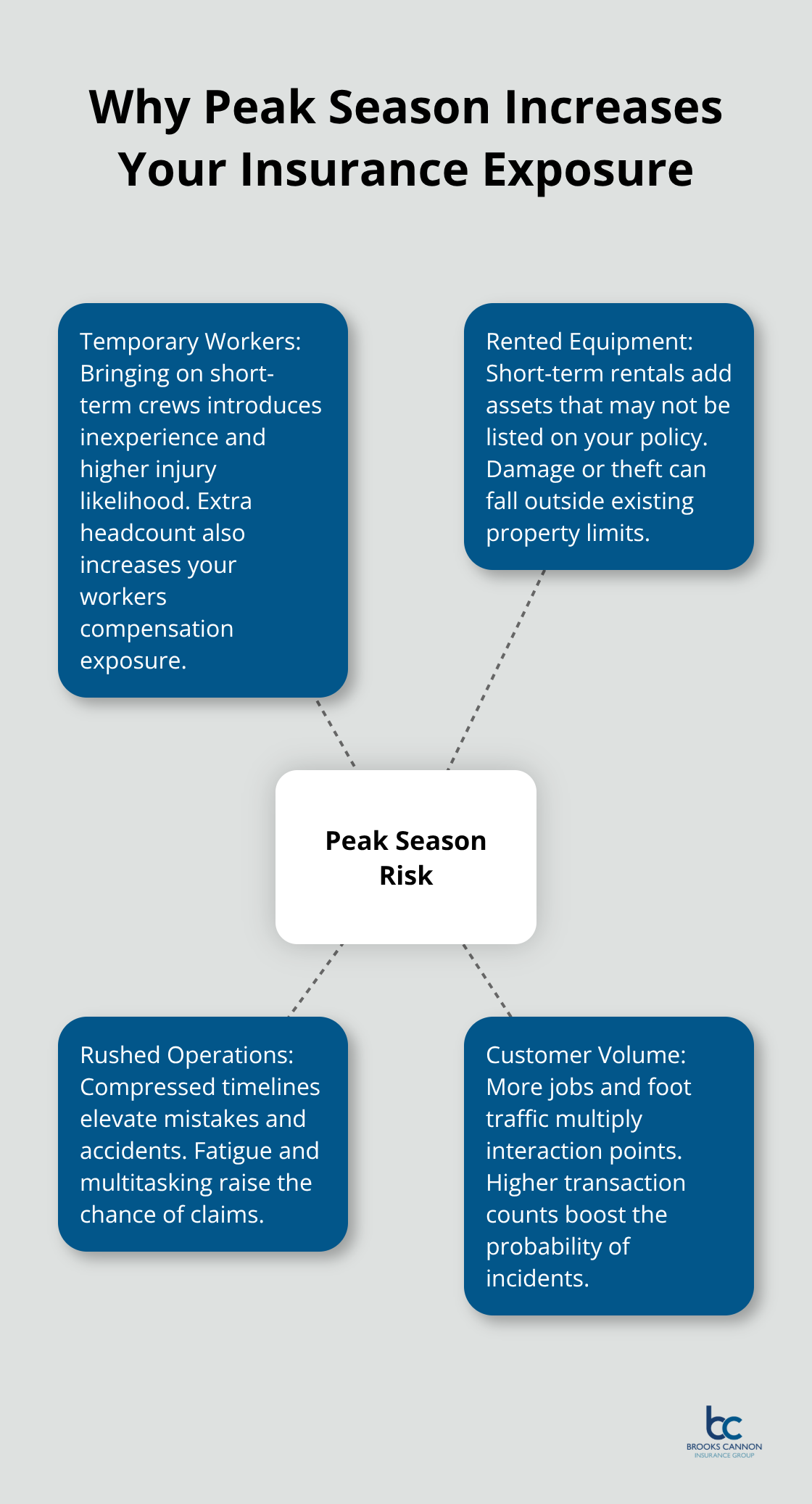
When you operate at peak capacity with temporary staff, rented equipment, and rushed operations, your liability exposure shoots up. A general contractor handling 10 jobs simultaneously in spring carries far different risks than the same contractor with 2 jobs in January. Your current policy was likely priced around your average annual operations, not your peak season reality. Seasonal Dallas business owners who maintain flat coverage year-round either overpay during slow months or face dangerous gaps during their busiest periods.
The Path Forward Requires Honest Assessment
Understanding your actual seasonal rhythm is the first step toward proper protection. You need to map out which months generate your highest revenue, when you hire temporary workers, and when you expand operations or equipment. This assessment reveals where your current coverage falls short and where you might be paying for unnecessary protection during slow periods. The solution requires honest evaluation of your business cycle and willingness to adjust your policy accordingly-which is exactly what we’ll address in the next section on adjusting your coverage based on seasonal demands.
How to Adjust Coverage When Your Business Shifts
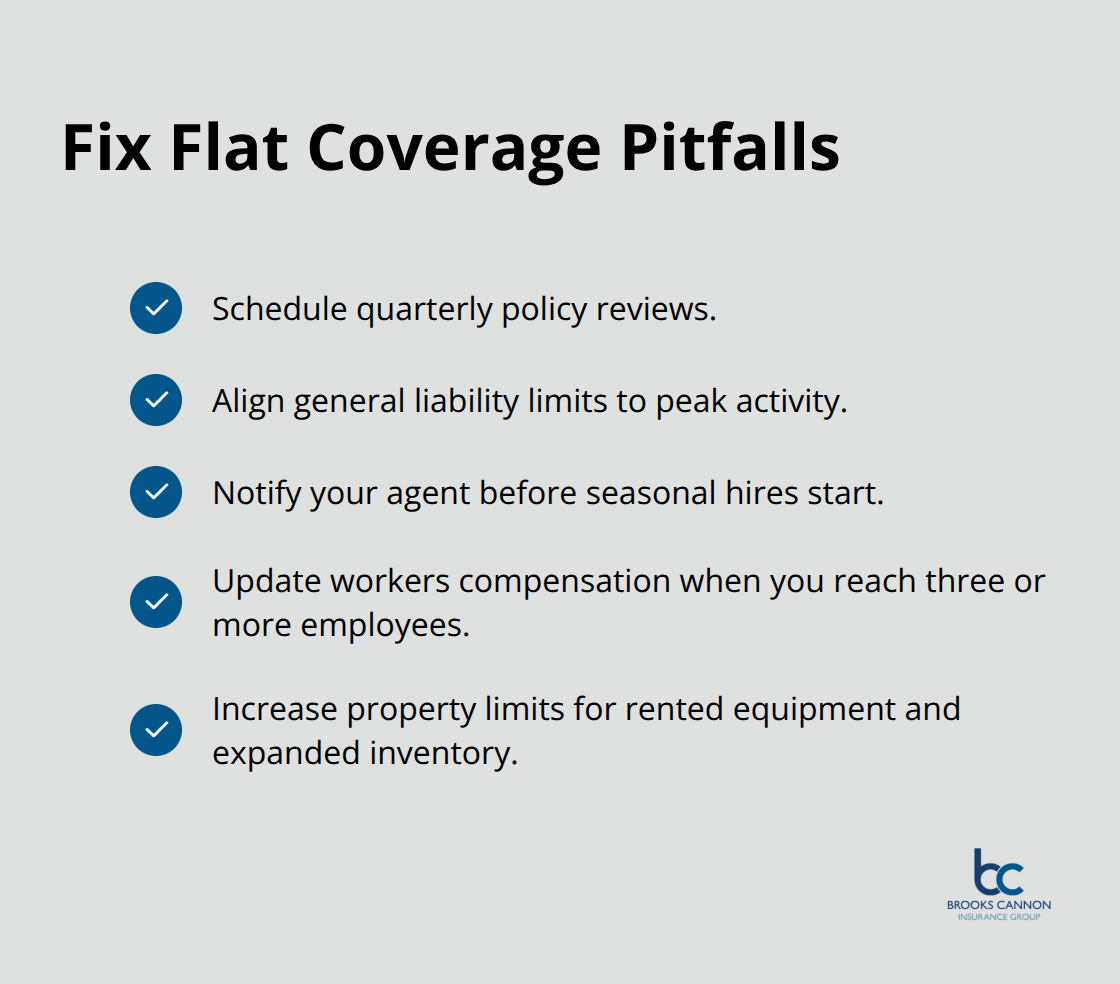
Quarterly policy reviews separate seasonal Dallas businesses that stay protected from those that face dangerous exposure gaps. Most business owners set their coverage once and forget it, which means they overpay during slow months or lack adequate protection when operations peak. Your general liability limits must match your actual activity levels, not an average that splits the difference between January and July.
Calculate Your Peak Season Reality
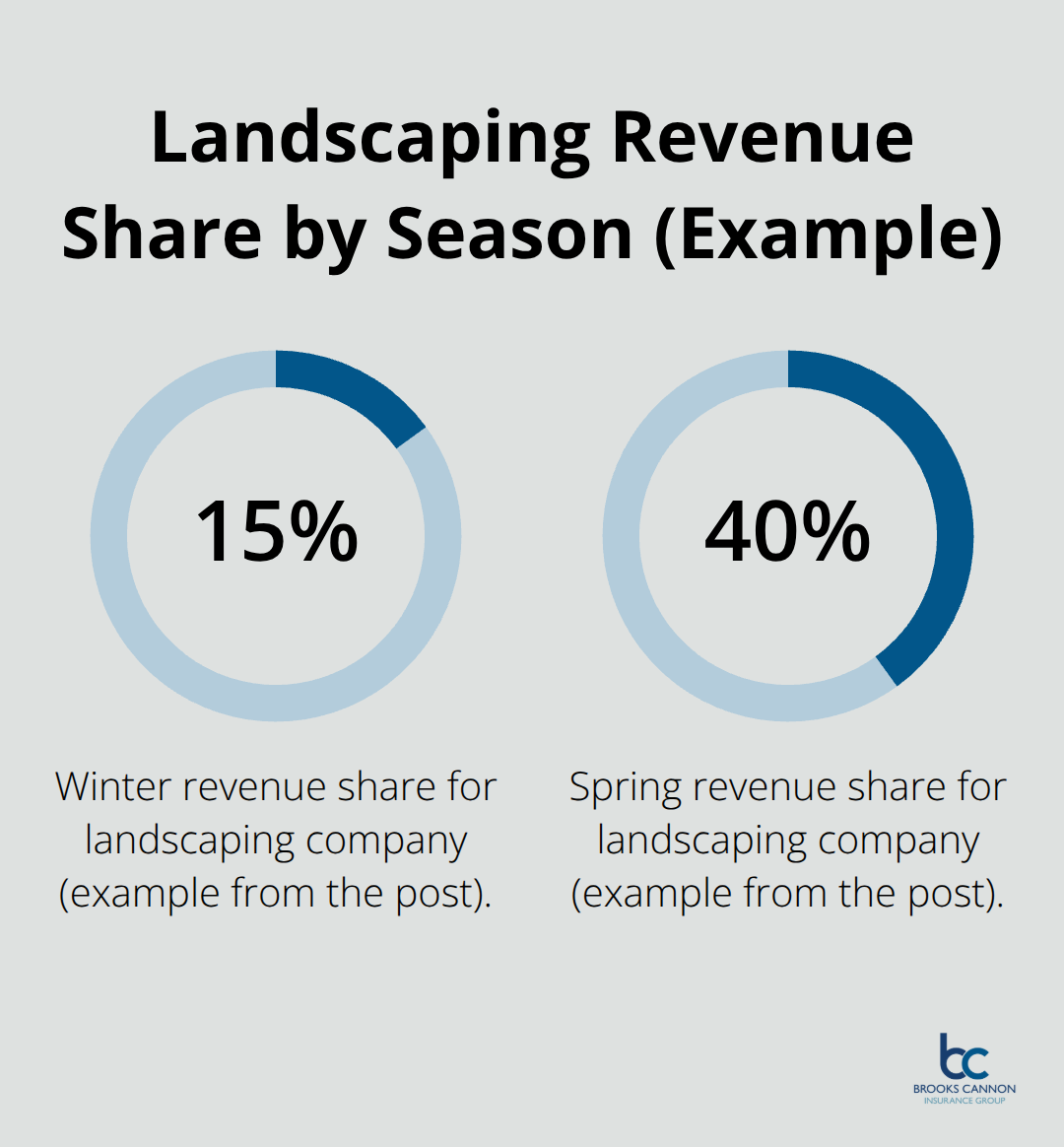
If you run a landscaping company generating 15 percent of annual revenue in winter and 40 percent in spring, your coverage in April needs to reflect that reality. Pull your revenue reports from the past three years and identify your peak months, then calculate how much your payroll, inventory, and customer interactions increase during those periods. Your current policy was likely quoted based on your overall annual figures, which means it misaligns with your actual exposure when business explodes.
Match Liability Coverage to Peak Activity
General liability coverage protects you when a customer gets injured on your property or claims you caused property damage-these incidents happen far more frequently during your busy season. A Dallas event planner hosting three weddings monthly in spring faces exponentially higher liability exposure than the same planner with one event monthly in January. During peak months when you manage multiple jobs, hire temporary crews, and work longer hours under pressure, your risk of accidents, injuries, and customer disputes climbs dramatically.
Increase your general liability limits during your documented peak season months. This isn’t guesswork but a direct response to your operational intensity. If you carry one million dollars in coverage during slow months, bumping to higher limits during peak season costs far less than a single lawsuit. Small business owners often underestimate their liability exposure, and seasonal operators are the worst offenders because they view their average risk instead of their peak risk.
Adjust Workers Compensation for Temporary Staff
Seasonal hiring creates immediate workers compensation exposure that most Dallas business owners mishandle. When you bring on temporary workers for summer months, your workers compensation premiums jump because you cover more employees, but many owners fail to notify their insurance agent about these additions until after the season ends. This creates coverage gaps and potential penalties.
Contact your agent at least two weeks before you hire seasonal staff so your policy reflects the actual number of workers and your elevated payroll. Some policies allow you to adjust your workers compensation limits quarterly based on projected payroll, which gives you proper protection without overpaying during slow months. Texas workers compensation rules require employers with three or more employees to carry coverage, so if seasonal hiring pushes you over that threshold, you must have active coverage in place before those workers start.
Plan Your Equipment and Inventory Adjustments
Your equipment and inventory levels shift dramatically with seasonal demand, yet most policies treat these assets as static throughout the year. A construction company renting additional equipment during spring months needs higher property coverage to protect those temporary assets. Review what equipment you own versus rent during peak season, then adjust your property coverage limits accordingly. This prevents you from discovering mid-season that you lack adequate protection for rented machinery or expanded inventory that you didn’t account for when you originally set your policy limits.
The mistakes you make during peak season adjustments compound when you fail to communicate these changes to your agent, which is exactly what we’ll address in the next section on common seasonal insurance mistakes Dallas business owners make.
Mistakes That Leave Dallas Seasonal Businesses Exposed
Flat Coverage Year-Round Creates Two Dangerous Problems
Most Dallas business owners carry identical coverage from January through December, treating their insurance like a set-it-and-forget-it utility bill. This approach backfires in two ways. During slow months, you overpay for protection you don’t need at your current activity level. During peak season, you operate with dangerously inadequate limits because your policy was built around your annual average, not your actual exposure when business explodes.
A landscaping company that generates 40 percent of annual revenue in spring cannot rely on coverage priced for a flatter revenue stream. The gap between what you pay for and what you actually need during peak months represents the exact space where claims slip through unprotected. Your one million dollar general liability limit covers an operation running at average capacity, not triple capacity when your peak season hits.
Seasonal Hiring Without Policy Updates Exposes You to Penalties
The second critical mistake happens when seasonal hiring catches business owners unprepared. Texas requires employers with three or more employees to carry workers compensation coverage, yet many seasonal operators fail to notify their insurance agent before bringing on temporary staff. This creates a coverage gap that exposes you to penalties and leaves workers unprotected if an injury occurs.
A Dallas event planning company that hires temporary coordinators for spring weddings without updating their workers compensation policy faces potential fines from the Texas Department of Insurance if an employee gets injured. Your agent needs at least two weeks notice before seasonal workers start so coverage adjusts properly and your payroll projections reflect reality. Waiting until after the season ends to report these additions leaves you vulnerable during the exact months when your exposure peaks.
Rented Equipment and Expanded Inventory Fall Through Coverage Gaps
Equipment and inventory adjustments compound this mistake because owners often rent additional machinery or stock higher inventory levels during peak season without increasing their property coverage limits. A construction company that rents three additional pieces of equipment in April without notifying their agent discovers mid-season that those rented assets fall outside their coverage if damage occurs. Your property coverage was set based on what you owned in January, not what you own and rent in July.
When you expand operations seasonally, your total asset value climbs significantly. Temporary equipment rentals, seasonal inventory buildups, and additional tools all need protection under your property policy. Most owners treat these additions as temporary and assume their existing limits cover them-a costly assumption that leaves you exposed. The solution requires treating your insurance as a living document that changes with your actual operations, not a static contract that ignores your seasonal reality.
Final Thoughts
Your seasonal business coverage strategy determines whether you stay protected or face dangerous gaps when your operations peak. At Brooks Cannon Insurance Group, we understand how seasonal fluctuations affect construction companies, retail operations, hospitality businesses, and service providers across Dallas, and we work with multiple carriers to build flexible policies that scale with your business rhythm. Schedule quarterly policy reviews with your agent to align your coverage with your seasonal calendar-these 30-minute conversations adjust your general liability limits, confirm your workers compensation coverage matches your actual payroll, and verify that your property protection covers rented equipment and expanded inventory.
Peak season is when your liability exposure climbs, your payroll expands, and your assets multiply, which means that’s exactly when your seasonal business coverage should peak as well. Seasonal business owners who maintain flat coverage year-round either overpay during slow months or operate exposed during their busiest periods. The solution requires honest assessment of your seasonal rhythm and willingness to adjust accordingly.
Contact Brooks Cannon Insurance Group to review your current seasonal business coverage and identify where your policy falls short during peak months.
Disclaimer: The information provided in this blog is for general informational purposes only and does not constitute legal, financial, or insurance advice. Coverage options, terms, and availability may vary. Please consult with a licensed professional for advice specific to your situation