
Rideshare Insurance
Rideshare Insurance
If you’re using your vehicle to deliver people to and from locations in exchange for money, your normal insurance policy will not provide you coverage while you’re working. To be sure you’re covered, you will need a specialized insurance policy geared towards ridesharing. This insurance policy provides coverage while driving for any Transportation Network Company, such as Uber or Lyft, while the App is turned on even if a rider has not been accepted.
This endorsement provides coverage for drivers who participate in ride sharing activities. A ride sharing activity can be described as someone who uses his or her own vehicle to drive passengers or property for a fee on behalf of companies like Uber or Lyft.
This endorsement applies to the stated coverages during the period of time when the driver is available for hire until the driver accepts a request for transportation of persons or property for a fee.
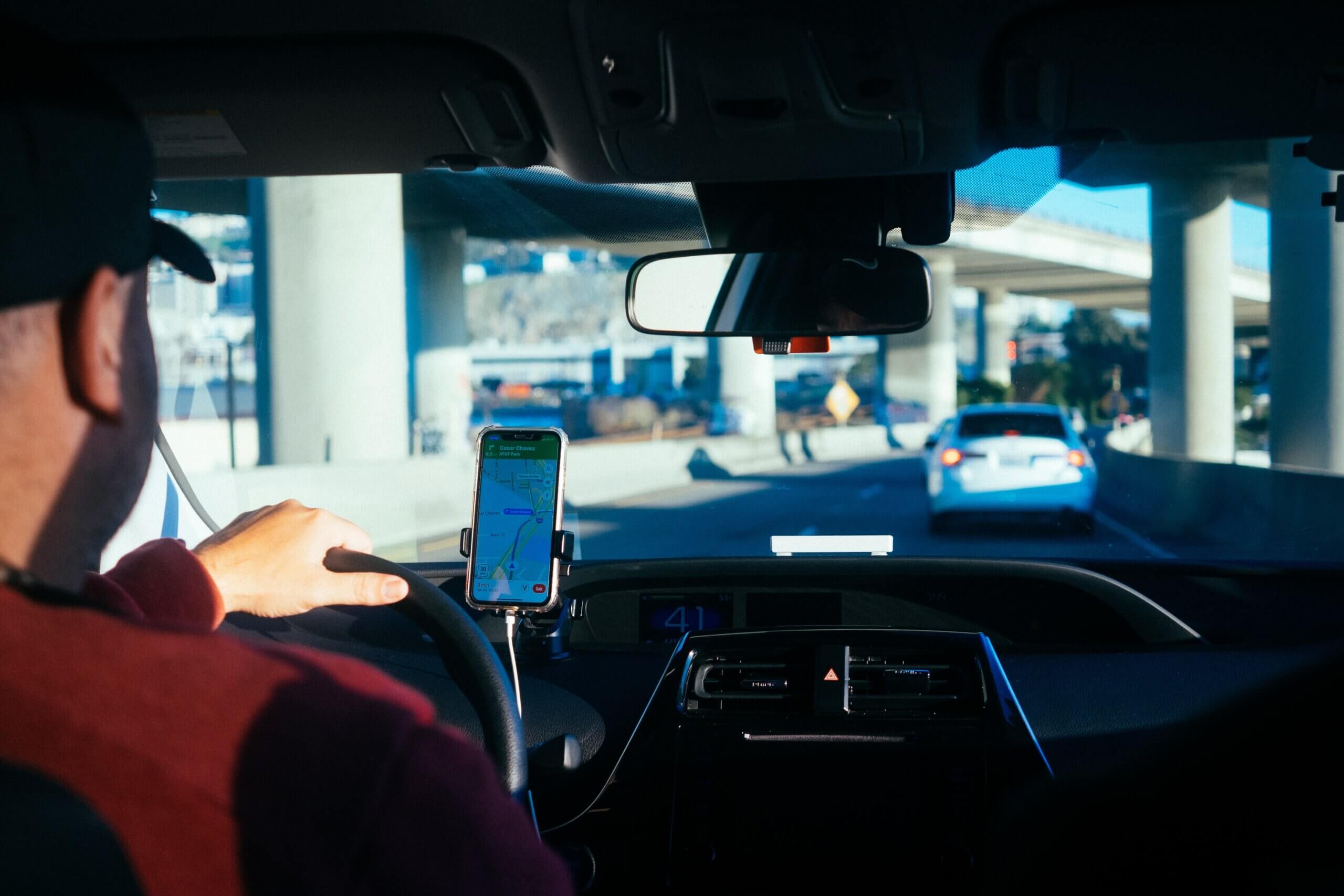
Multiple Companies Represented
Basically, these insurance policies will cover the driver on a personal auto policy whenever the Ride Sharing Companies’ insurance does not cover them. Typically, those policies will cover their drivers once they are on the app and accept a ride.
Why do you need Rideshare Insurance?
Personal Auto Insurance Exclusions: Most personal auto insurance policies have exclusions for using your vehicle for commercial purposes. This means that if you get into an accident while driving for a ridesharing service, your personal auto insurance likely will not cover the damages without the correct policy endorsement.
Higher Liability Limits:
Rideshare insurance typically offers higher liability limits than personal auto insurance policies. This is important because you’re providing a service to the public, which means you could potentially be held liable for higher amounts in case of an accident.
Coverage for Gaps in Coverage:
Ridesharing companies typically provide insurance coverage for their drivers, but this coverage is not always in effect at all times. There may be gaps in coverage, especially when you’re waiting for a ride request or driving to pick up a passenger.