One property damage liability claim can reshape your entire business budget. At Brooks Cannon Insurance Group, we’ve seen Dallas business owners face unexpected premium increases and coverage gaps that cost them thousands.
Your property damage liability protection directly impacts how your business recovers from accidents. Understanding this connection helps you make smarter coverage decisions today.
What Property Damage Liability Actually Covers
Property damage liability protects your business when you’re legally responsible for damaging someone else’s property. This isn’t about your own building or equipment-it’s about third-party property. If a customer trips over your equipment and damages their phone, if your delivery vehicle hits a parked car, or if your business operations accidentally damage a neighboring property, this coverage steps in.
How Business Structure Shapes Your Personal Exposure
The U.S. Small Business Administration emphasizes that business structure matters significantly when property damage claims arise. Sole proprietors face unlimited personal liability for these claims, which means creditors can pursue personal assets to satisfy settlements. Corporations and LLCs provide legal separation that shields your personal finances from business obligations, though they require more regulatory oversight. This distinction becomes critical when a property damage claim arrives at your door. Without proper liability coverage and legal structure, you remain personally exposed to settlements, legal fees, and judgments that can drain your personal bank account.
When Claims Actually Happen
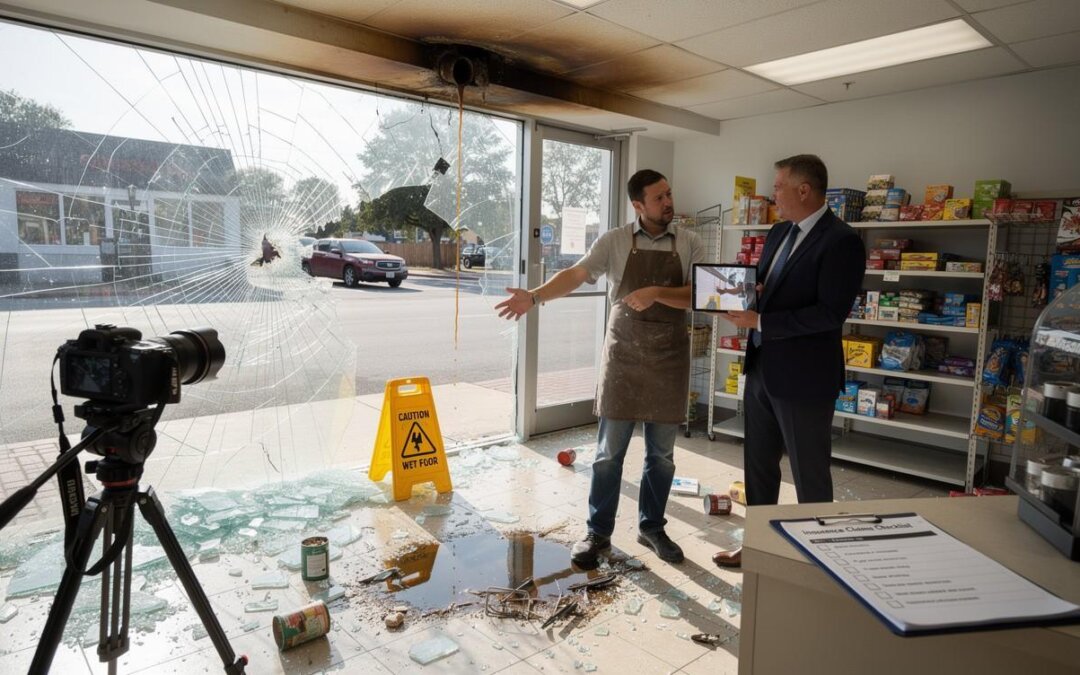
Property damage claims emerge from situations most Dallas business owners don’t anticipate until they occur. A client’s laptop gets damaged during a service call at their office. Your business vehicle scrapes a storefront while making a delivery. Equipment you own causes water damage to a neighboring tenant’s space. Manufacturing operations create debris that damages customer property. These scenarios trigger claims because you have a legal obligation to compensate for the damage.
The frequency matters more than you might think. Businesses with poor safety practices face significantly higher claim rates, which insurance companies track carefully. According to OSHA-related research, workplace incidents and accidents cost businesses billions annually, and many of these incidents involve third-party property damage. This data directly influences how insurers assess your risk profile and calculate your premiums going forward.
How One Claim Reshapes Your Coverage
A single property damage claim doesn’t just cost you the settlement amount-it fundamentally changes how insurers view your business for years. After you file a claim, insurance companies document it in industry databases that other carriers access during underwriting. This claim history follows you when you shop for new coverage or renew existing policies.
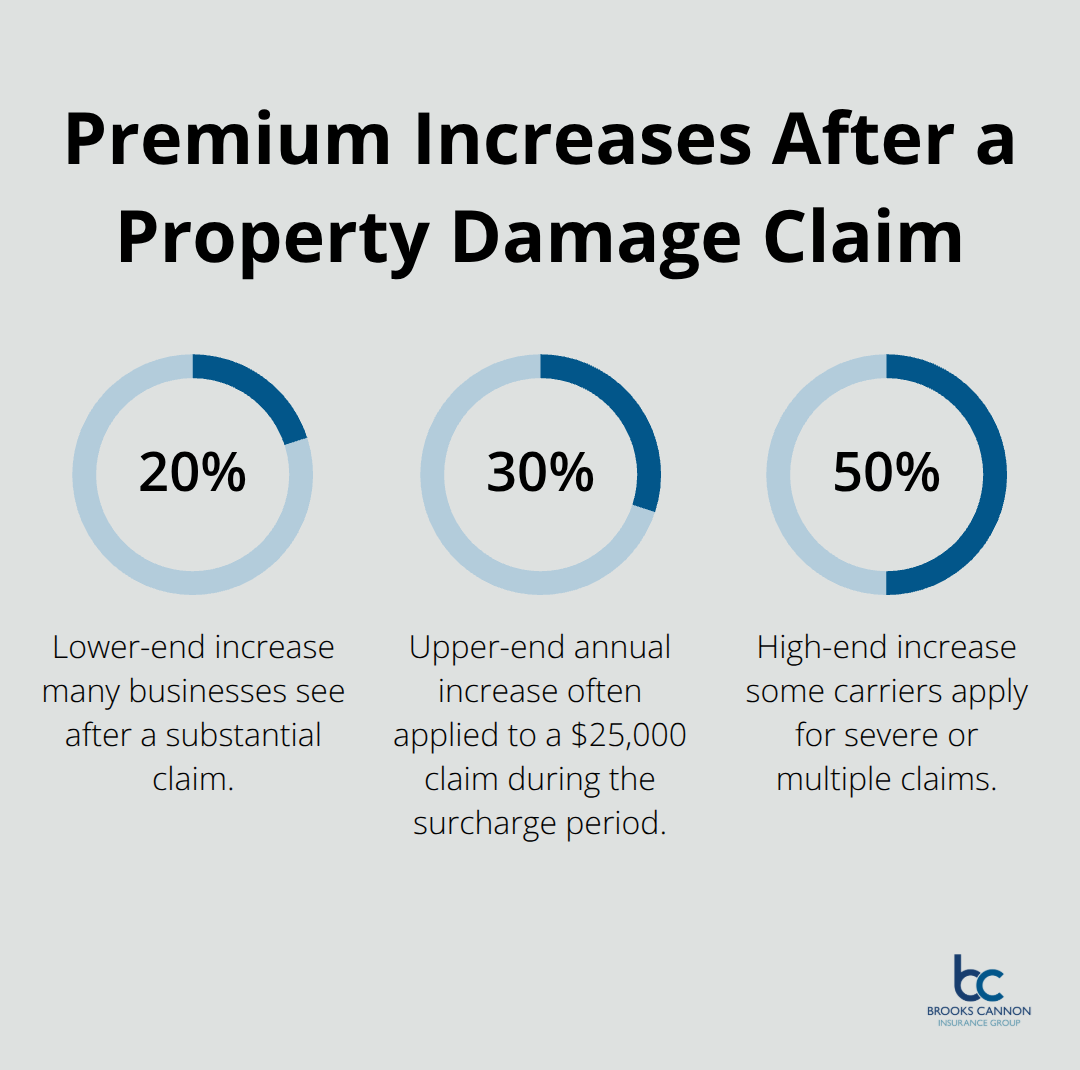
Insurers use your claims history to determine whether they’ll even offer you coverage at their standard rates. Some carriers will decline to renew entirely. Others will impose significant rate increases or add restrictive endorsements that exclude similar damage scenarios. A Dallas business that files one substantial property damage claim can expect premium increases of 20 to 50 percent or higher, depending on claim severity and your business type.
Documentation and Prevention as Your First Defense
This makes prevention and proper documentation your most valuable assets before any incident occurs. When you maintain detailed records of your property, equipment, and operations, you establish a clear baseline for any future claim. Implementing workplace safety protocols and conducting regular maintenance inspections reduce both the likelihood and severity of property damage events. Your claims history directly determines what coverage options and pricing you’ll receive in the future, which is why taking action today protects your business tomorrow. Understanding these connections helps you recognize that your next decision about safety measures or coverage limits will shape your insurance costs and business stability for years to come.
How Claims Spike Your Insurance Costs
How Insurers Calculate Rate Increases
Insurance companies calculate rate increases after a property damage claim using specific data points and formulas rooted in your claims history, business profile, and industry risk statistics. When you file a claim, insurers assign it a severity rating based on the settlement amount and circumstances surrounding the damage. A minor claim under $5,000 typically triggers a smaller increase than a major claim exceeding $50,000. The insurer then cross-references your claim against industry databases and actuarial tables specific to your business type. Manufacturing facilities face different rate adjustments than retail shops because each industry carries distinct property damage risk profiles. Your Dallas business location also matters-local building codes, weather patterns, and neighborhood crime rates influence how insurers weight your claim’s impact.
The Surcharge Period and Premium Increases
Most carriers apply a surcharge that lasts three to five years after a claim closes. During this period, your renewal premiums climb significantly. A Dallas business owner filing a $25,000 property damage claim should anticipate annual premium increases of 15 to 30 percent for the next several years, though severe or multiple claims can push increases beyond 50 percent. Some insurers implement flat dollar surcharges instead of percentage-based increases, which can compound more aggressively as your base premium grows.
Long-Term Financial Impact
The long-term financial damage extends far beyond the immediate premium spike. Over five years, a single substantial claim can add $15,000 to $40,000 in additional insurance costs depending on your business size and coverage limits. This accumulation makes prevention and risk control investments incredibly valuable before any incident occurs.
Building a Safety-First Risk Profile
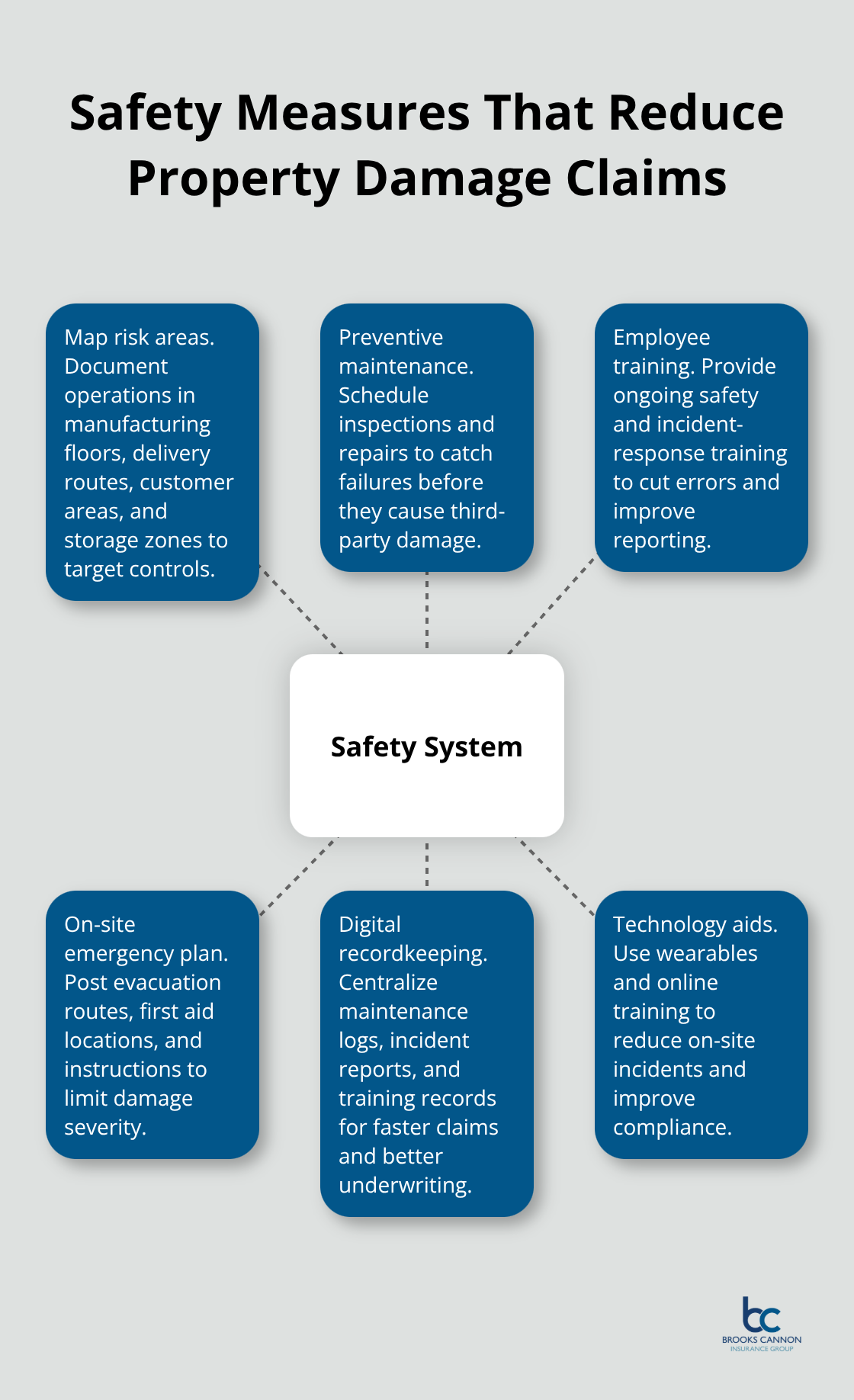
The best strategy involves implementing workplace safety protocols that reduce incident frequency and severity, which influences both your current underwriting and future claims history. Comprehensive safety and health management systems lower both incident frequency and insurance costs. Wearable safety devices and online safety training represent emerging tools that reduce on-site incidents triggering property damage claims. An on-site safety plan (including emergency instructions, escape routes, and first aid locations) minimizes damage severity when incidents occur and can positively influence how insurers view your risk profile. Regular maintenance inspections catch equipment failures before they cause third-party property damage.
Positioning Your Business for Better Renewal Rates
When renewal time arrives, carriers see your commitment to safety reflected in your claims-free record and reduced incident reports. Dallas business owners who invest in these controls before filing claims position themselves to avoid the steepest premium increases when they eventually renew or shop for new coverage. This proactive approach to risk management directly shapes what happens next-how you evaluate your current policy limits and whether your existing coverage actually protects your business adequately.
How to Stop Property Damage Before It Happens
Safety Systems Drive Your Future Costs
Your safety systems represent the single most effective tool for controlling property damage liability costs. The money you invest in prevention today determines the premium increases you’ll face tomorrow. A comprehensive safety and health management system reduces incident frequency and severity according to research cited by OSHA, which means fewer claims filed and significantly lower rate increases when renewal time arrives. Start mapping every operation in your facility where property damage could occur. Manufacturing floors, delivery routes, customer service areas, and equipment storage zones each present distinct risks. Document what happens in each space, identify the specific damage scenarios that could emerge, and assign responsibility for prevention. This operational foundation determines whether your next claim will cost you thousands in premium increases or whether you’ll maintain a clean claims history that keeps your rates stable.
Maintenance Records Protect Your Claims Position
Your maintenance schedule and documentation practices directly influence both incident prevention and claim outcomes. Implement a formal maintenance program with written records showing when equipment was inspected, serviced, and repaired. Equipment failures cause substantial property damage claims, and insurers scrutinize maintenance records during claims investigations. If your HVAC system malfunctions and floods a neighboring tenant’s space, demonstrating regular maintenance proves you weren’t negligent. If your delivery vehicle damages customer property, maintenance records showing current brake inspections and equipment inspections strengthen your position. Insurers view maintenance documentation as evidence of your operational diligence and commitment to risk control.
Incident Reporting Creates Your Documentation Trail
Train your team on incident reporting protocols so property damage gets documented immediately with photos, witness statements, and detailed descriptions. Most Dallas businesses wait days or weeks to report incidents, which weakens their claim position and complicates the investigation process. Establish a clear reporting chain where any employee can immediately notify management of property damage they caused or witnessed. Quick reporting preserves evidence, captures witness accounts while memories remain fresh, and demonstrates your commitment to transparency with your insurance carrier.
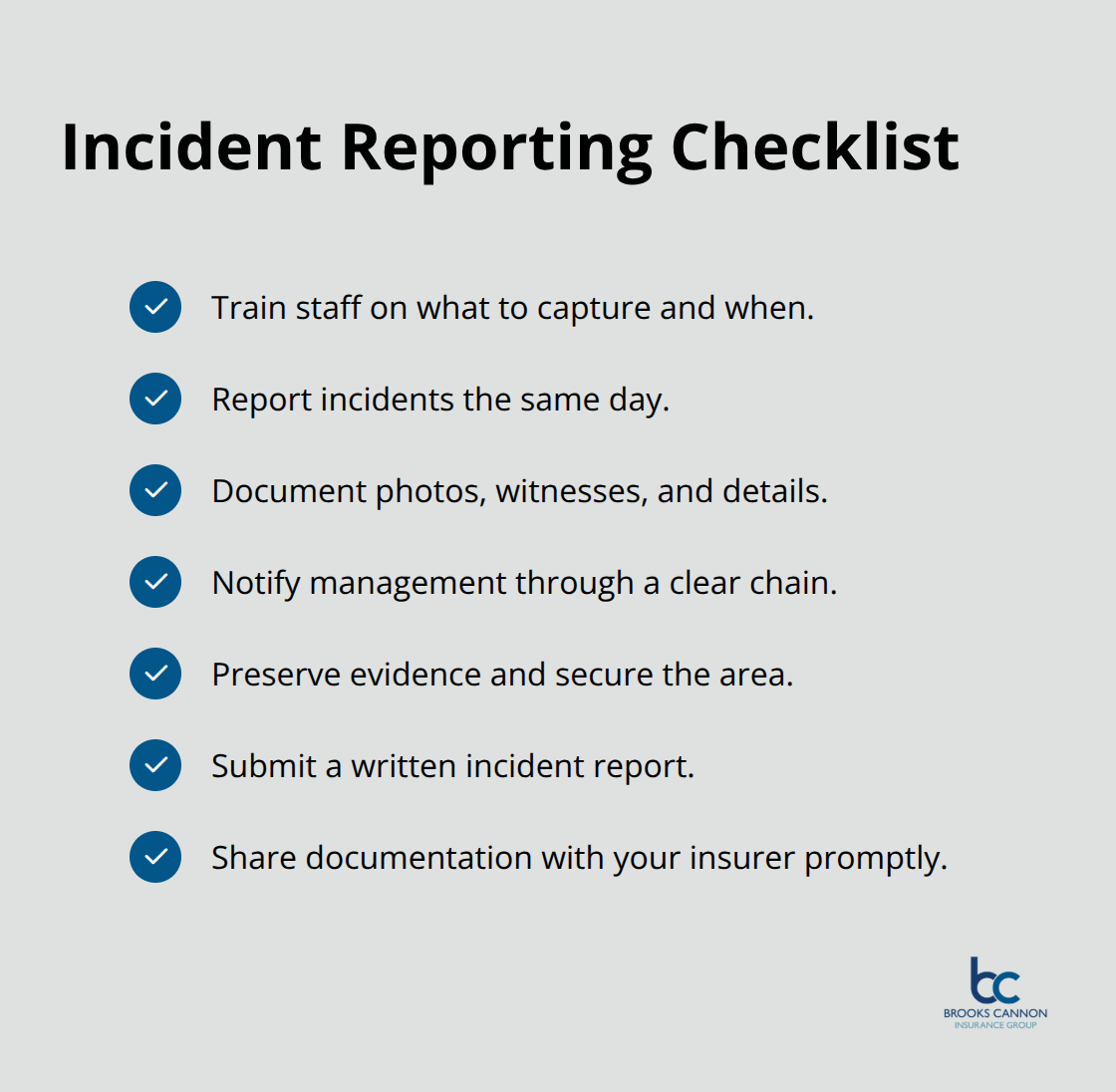
Speed matters significantly when claims investigators evaluate your credibility and the circumstances surrounding the damage.
Digital Records Strengthen Your Underwriting Position
Keep digital copies of all maintenance records, incident reports, safety training documentation, and equipment inspection logs in a centralized system accessible during a claim. When a claim arrives, you’ll have the documentation ready to demonstrate your commitment to prevention and proper operations. This documentation transforms how insurers evaluate your risk profile during renewal underwriting. Carriers reviewing your file will see a business that takes property damage prevention seriously, which can moderate premium increases or help you qualify for better rates with new carriers. Your organized records also accelerate the claims process itself, reducing the time between incident and settlement.
Final Thoughts
Your property damage liability coverage decisions today determine your business stability tomorrow. Most Dallas business owners operate with coverage limits that haven’t been reviewed in years, which means they’re likely underprotected against current replacement costs and inflation. We at Brooks Cannon Insurance Group recommend evaluating your current policy limits by comparing them against your actual property values, equipment costs, and potential third-party exposure.
Working with an independent agent gives you access to multiple carriers and coverage options tailored to your specific Dallas business risks. An agent reviews your operations, identifies gaps in your existing coverage, and compares quotes from different insurers to find adequate protection at competitive pricing. This process matters because standard policies often exclude specific damage scenarios relevant to your industry, and your agent ensures endorsements and sublimits align with your actual risk profile rather than leaving you with generic coverage that fails when you need it most.
Schedule a policy review annually or whenever your business changes significantly (new equipment, expanded operations, additional employees, or facility modifications all affect your property damage liability exposure). New circumstances shift how carriers adjust their underwriting, which means your renewal rates and available coverage options change accordingly. Contact Brooks Cannon Insurance Group to build a coverage strategy that protects your Dallas business against property damage liability claims while keeping your premiums competitive.
Disclaimer: The information provided in this blog is for general informational purposes only and does not constitute legal, financial, or insurance advice. Coverage options, terms, and availability may vary. Please consult with a licensed professional for advice specific to your situation