Your jewelry deserves more than a guess about its value. A proper jewelry appraisal in Dallas protects your investment and gives you the documentation you need when it matters most.
At Brooks Cannon Insurance Group, we see too many people skip this step or settle for inadequate appraisals. The difference between a thorough evaluation and a careless one can cost you thousands if you ever need to file a claim or sell a piece.
What Appraisers Actually Measure
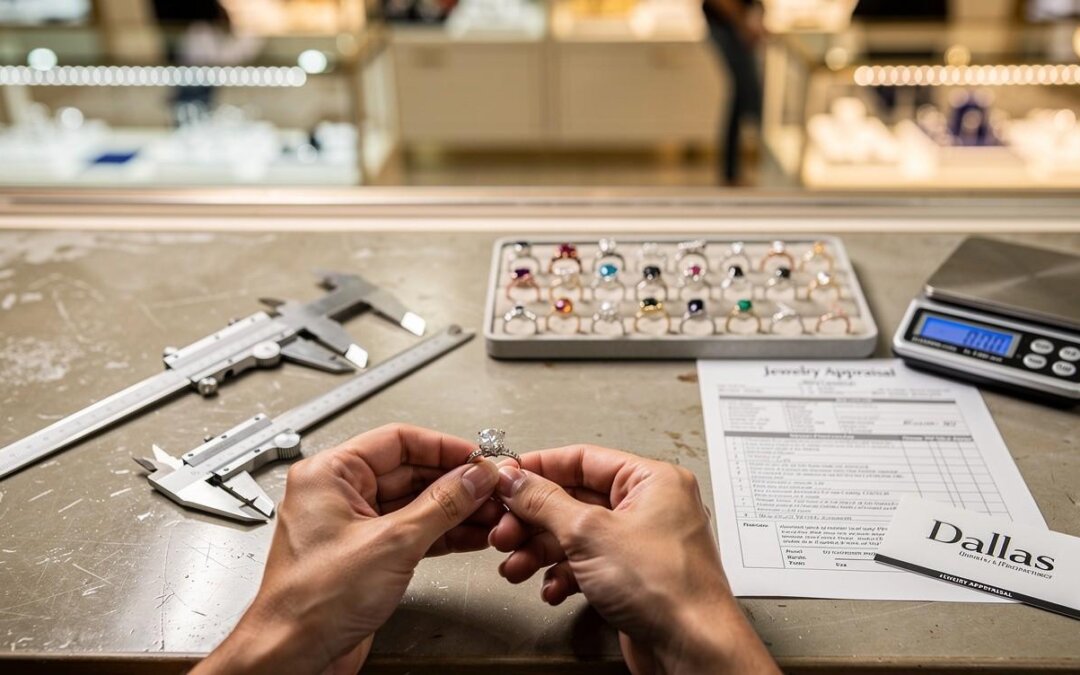
An appraiser does not simply eyeball your jewelry and announce a number. They apply standardized methods to evaluate specific characteristics that determine market value. The global jewelry market was valued at USD 242.79 billion in 2025, and that value flows directly from how well appraisers understand what makes one piece worth significantly more than another. When an appraiser examines your diamond or gemstone, they measure weight in carats, assess the precision of the cut, evaluate color on established grading scales, and examine clarity by identifying inclusions visible under magnification. For metals, they test alloy composition and verify hallmarks that confirm whether your piece is genuine platinum, sterling silver, or gold at a specific fineness. This work forms the foundation of an accurate valuation.
The Four Cs Define Diamond Value
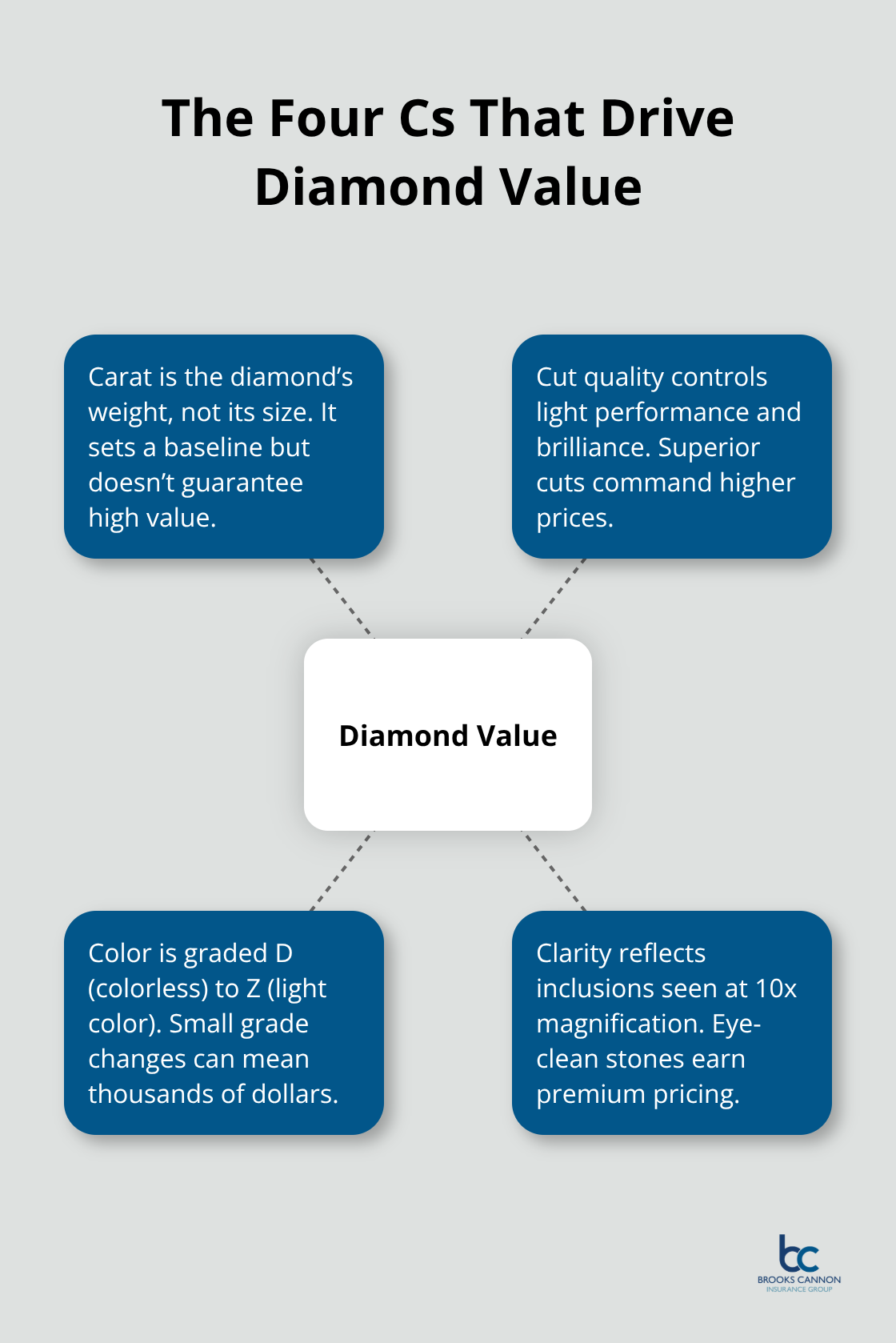
Carat weight alone tells you almost nothing about a diamond’s actual worth. A one-carat diamond with poor clarity and a mediocre cut costs far less than a one-carat stone with excellent clarity and superior cut quality. Cut quality matters more than most people realize because it determines how light travels through the stone and affects its brilliance. Color grades range from D (colorless) down to Z (light color), and the difference between a D and an F grade can represent thousands of dollars in value. Clarity involves identifying inclusions and blemishes under 10x magnification-a stone with no visible inclusions under magnification commands premium pricing.
An experienced appraiser obtains a certified grading report from the Gemological Institute of America or similar authority rather than relying on visual assessment alone, because buyers and insurance companies demand this documentation.
Why Documentation Separates Real Appraisals from Guesses
A written appraisal report serves as your protection and proof of value. This report includes photographs of the piece, detailed measurements, metal composition test results, gemstone descriptions with grading information, and the appraiser’s final valuation.
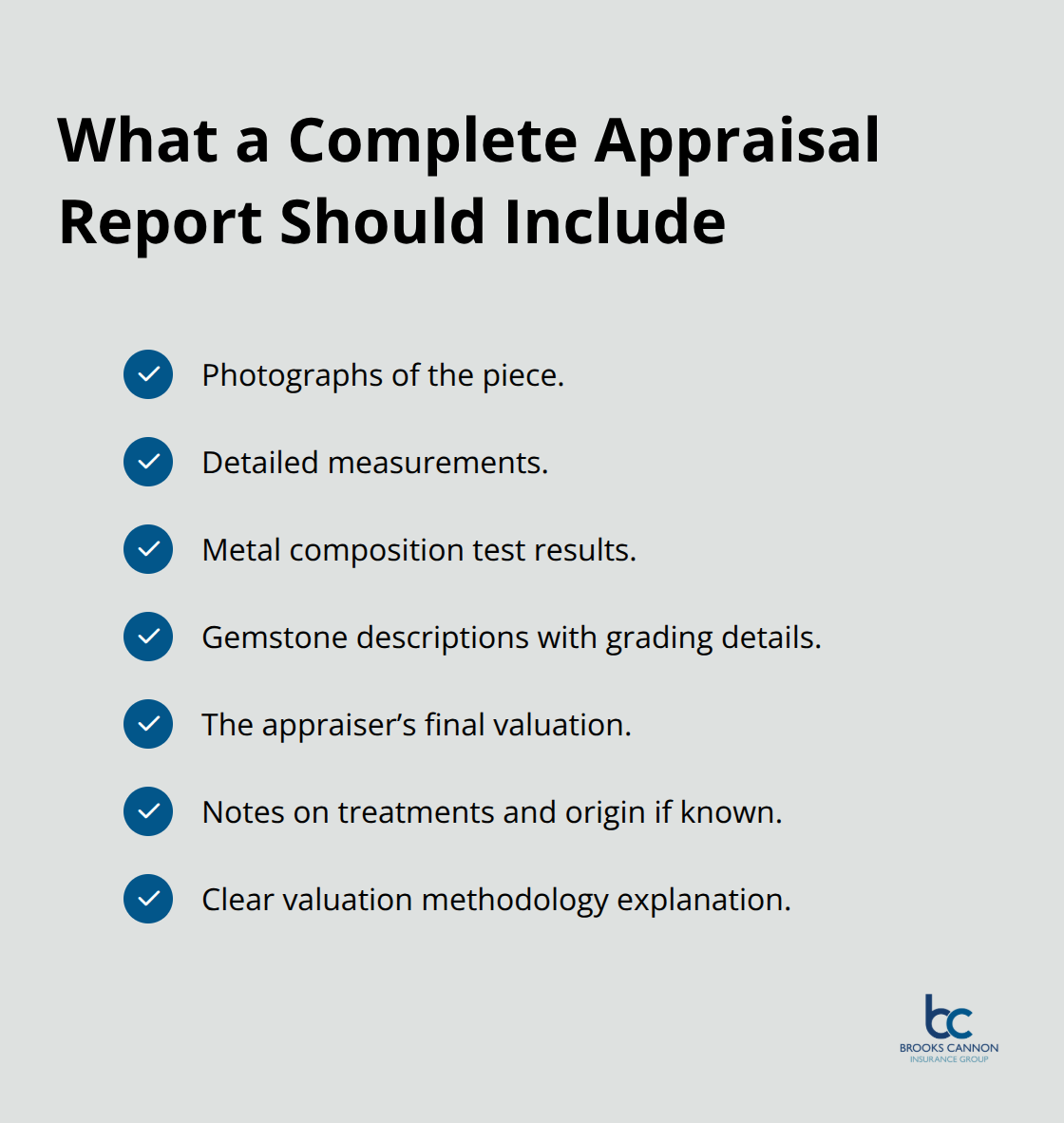
Without this documentation, your insurance claim becomes a dispute rather than a straightforward reimbursement. The appraiser should identify the piece’s origin story if known, note any treatments applied to gemstones, and explain the valuation methodology used. Credentials matter tremendously-look for appraisers certified by the American Society of Appraisers or similar organizations that require ongoing education and adherence to ethical standards. An appraiser working for a jewelry store creates a conflict of interest, since they profit from either selling you jewelry or undervaluing what you own. Independent appraisers provide unbiased evaluations because their reputation depends entirely on accuracy and professional integrity, not on sales commissions.
Finding the Right Appraiser Matters More Than You Think
Your next step involves locating an appraiser in Dallas who meets professional standards and operates without conflicts of interest. The credentials an appraiser holds tell you whether they have invested time in mastering their craft and submitting to industry oversight. When you contact potential appraisers, ask about their certifications, their experience with pieces similar to yours, and their fee structure. Appraisers who charge based on the item’s value (rather than a flat fee or hourly rate) create incentives to inflate valuations, which harms you when you file an insurance claim. The appraiser you select should explain their methodology, provide references, and deliver a detailed written report that you can share with your insurance agent or use for other purposes.
Who Should You Trust to Appraise Your Jewelry
Credentials That Separate Professionals from Amateurs
The appraiser you select determines whether your jewelry receives an accurate valuation or an inflated one that creates problems later. Credentials separate professionals from amateurs, and this matters more than convenience or price. Look specifically for appraisers certified by the American Society of Appraisers, which requires members to complete extensive training, pass rigorous examinations, and commit to a code of ethics. The ASA designation means the appraiser has demonstrated competency in their specialty and submits to peer review. Some appraisers hold the Certified Gemologist Appraiser credential from the American Gem Society, which combines gemological expertise with appraisal methodology.
Independent appraisers operating their own practices tend to deliver more objective evaluations than employees working inside jewelry stores, since store staff face pressure to either sell inventory or justify low buyback offers. When you contact potential appraisers, ask directly about their fee structure-appraisers charging a percentage of the appraised value have financial incentive to inflate numbers, which ultimately harms you when your insurance company questions an inflated claim. Flat fees or hourly rates align the appraiser’s interests with accuracy rather than inflating your jewelry’s worth.
Questions That Reveal an Appraiser’s Quality
Request references from previous clients and ask whether the appraiser can provide examples of reports they have completed for similar pieces. An appraiser unwilling to discuss their methodology or reference their work should be eliminated from consideration immediately. Appraisers who promise to complete evaluations in minutes rather than hours lack thoroughness-legitimate appraisals require magnification equipment, metal testing devices, and careful documentation that cannot be rushed.
Anyone who pressures you to accept their valuation without providing detailed written documentation cuts corners that cost you money later. Appraisers working on commission or offering to buy your jewelry themselves create obvious conflicts of interest that compromise objectivity. If an appraiser quotes a value significantly higher than others you have obtained, question their methodology rather than celebrating the higher number-inflated appraisals lead to denied insurance claims when carriers investigate.
Warning Signs That Indicate Poor Practice
Avoid appraisers who lack proper insurance for their practice, which indicates they operate informally and may disappear if problems arise. The appraiser should provide a written report within a reasonable timeframe after the evaluation, typically within one to two weeks, and should include detailed photographs, precise measurements, metal composition analysis results, and gemstone grading information. An appraiser who cannot or will not commit to providing comprehensive documentation is not worth your time.
Once you have selected a qualified appraiser and received your detailed report, the next critical step involves understanding how to use that appraisal to protect your investment through proper insurance coverage and documentation management.
Common Mistakes That Cost You Thousands in Appraisal Value
Why One Appraisal Is Never Enough for Expensive Jewelry
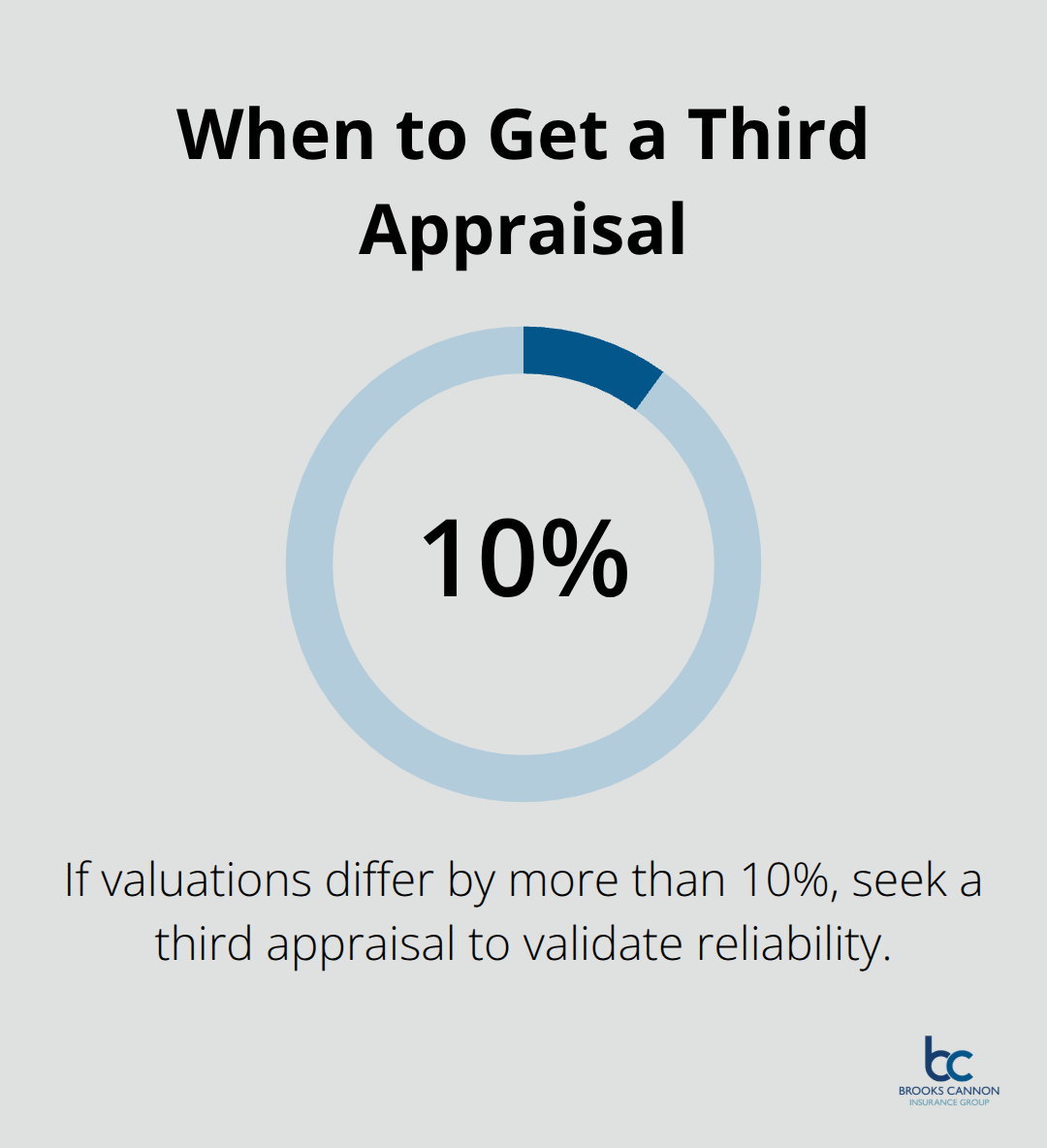
High-value pieces demand multiple appraisals from qualified professionals because valuations can vary significantly based on methodology, market knowledge, and appraiser expertise. Obtaining a single appraisal for expensive jewelry resembles asking one mechanic for a car diagnosis and assuming they are correct. When your jewelry exceeds five thousand dollars, obtain at least two appraisals and compare the results carefully. If the valuations differ by more than ten percent, a third appraisal helps identify which assessment is most reliable. This approach protects you because insurance companies scrutinize high-value claims, and multiple appraisals strengthen your position if a dispute arises.
Appraisers may weight the Four Cs differently, apply different replacement cost methodologies, or possess varying knowledge of current market conditions. One appraiser might focus heavily on the gemstone’s origin and treatment history while another emphasizes cut quality and current wholesale pricing. The jewelry market valued approximately 353.26 billion dollars globally in 2023 and continues shifting based on economic conditions, demand fluctuations, and metal prices. Your appraisals should reflect these market realities, not static assumptions from years past.
How Market Changes Make Old Appraisals Worthless
Jewelry appraisals expire because market values change constantly and gemstone treatments evolve. An appraisal completed five years ago no longer reflects what your jewelry is actually worth today, yet many people file insurance claims using outdated valuations that underestimate replacement cost. Schedule reappraisals every three to five years for pieces you own long-term, and immediately after any significant market shift. Market conditions shift substantially based on precious metal prices, gemstone availability, and economic factors that affect replacement costs.
The Hidden Cost of Choosing Appraisers Based on Price
Never select an appraiser primarily based on price alone because cheap appraisals typically indicate rushed evaluations and inadequate documentation. Appraisers charging significantly less than the market rate either lack proper credentials, skip important testing procedures, or operate without professional liability insurance. The appraiser’s fee should reflect the time required for thorough evaluation, detailed photography, metal composition testing, and comprehensive report preparation. Paying less upfront costs far more when your insurance company questions an inadequate appraisal and denies your claim.
Clients who have experienced claim denial often report they saved money on the appraisal only to face rejection because the documentation was insufficient or the valuation was unreliably low. This scenario repeats frequently in the insurance industry-the cheapest option creates expensive problems later. Quality appraisals require investment in time, equipment, and expertise that cannot be rushed or compromised without consequences.
Final Thoughts
Your jewelry appraisal in Dallas protects what you own when loss or damage strikes. Share your detailed appraisal report with your insurance agent at Brooks Cannon Insurance Group so they can structure your coverage to match your jewelry’s actual replacement cost, since most homeowners policies cap jewelry coverage at five hundred to two thousand dollars and leave expensive pieces dangerously underinsured. A comprehensive appraisal report gives your agent the documentation needed to add a scheduled personal property endorsement that covers your jewelry at its full appraised value without deductibles.
Store your appraisal documents in a secure location separate from your jewelry itself-a safe deposit box at your bank protects the original report from fire, theft, or water damage that could destroy both your jewelry and its documentation simultaneously. Digital copies stored in a password-protected cloud service provide backup access if you need to file a claim quickly. Include photographs from the appraisal, metal composition test results, gemstone grading certificates, and the appraiser’s detailed valuation in your records.
Market conditions shift constantly, and jewelry values change accordingly, so you should schedule reappraisals every three to five years for pieces you plan to keep long-term. An appraisal completed a decade ago no longer reflects replacement cost in today’s market. When you obtain updated appraisals, your insurance coverage stays aligned with actual value and prevents the frustration of discovering your jewelry is underinsured when you need to file a claim.
Disclaimer: The information provided in this blog is for general informational purposes only and does not constitute legal, financial, or insurance advice. Coverage options, terms, and availability may vary. Please consult with a licensed professional for advice specific to your situation